Key Takeaways for Homeowners
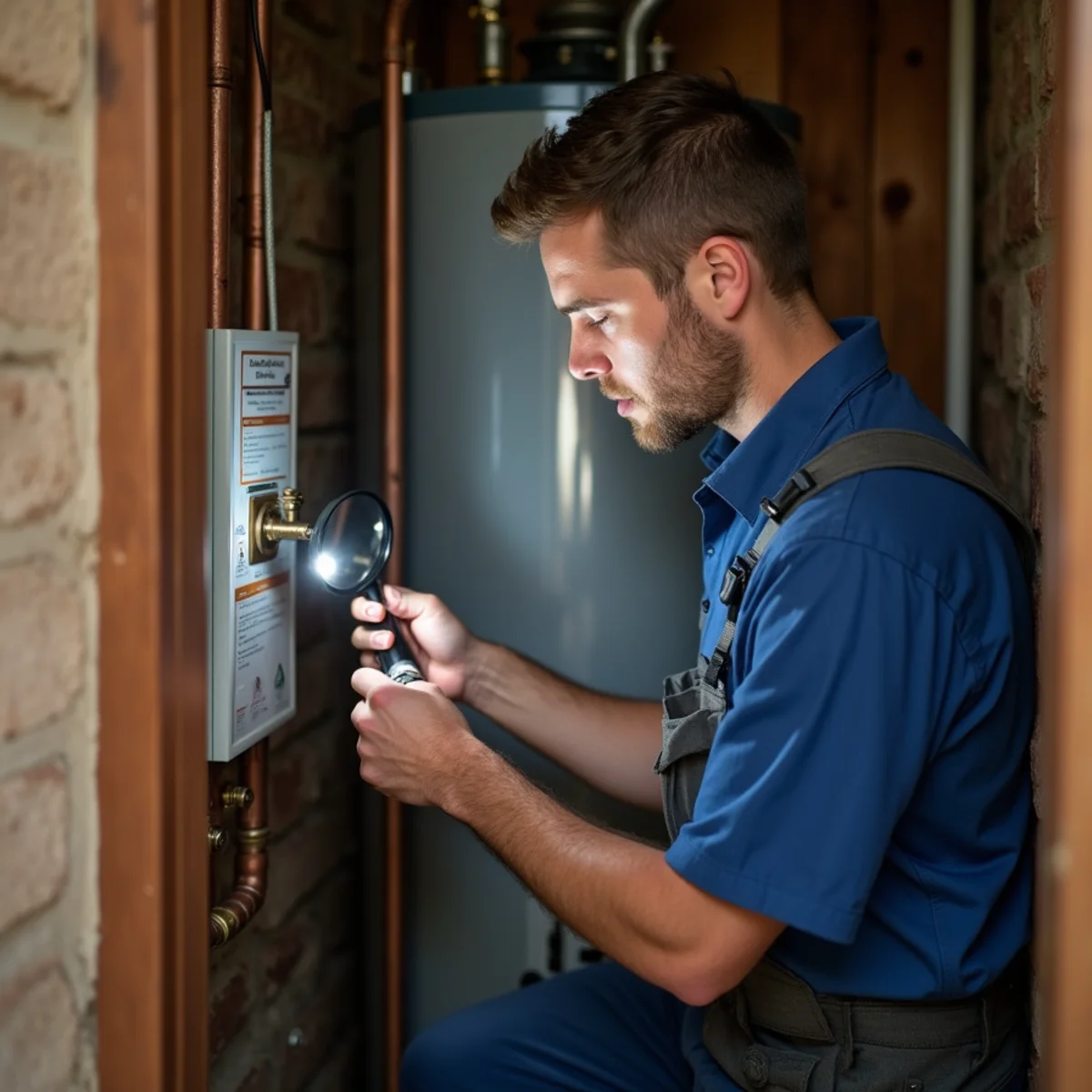
- •Check electrical circuit breakers or gas supply valves first when hot water vanishes.
- •Leaks from fittings or T&P valves are often repairable; bottom seam leaks require replacement.
- •Shut off the cold inlet valve immediately if water is leaking from the tank body.
- •Dallas-supplied municipal water scale causes popping noises and premature element failure.
Direct Answer: First Steps When Your Water Heater Malfunctions
If your water heater has stopped producing hot water, first check your electrical panel for a tripped double-pole 30-amp breaker (for electric units) or confirm that the gas control valve pilot light is illuminated (for gas units). If water is actively leaking from the tank, immediately shut off the cold water supply valve on the top inlet pipe and turn off the unit's power or gas source. If the leak originates from an external fitting or temperature relief valve, it can typically be repaired; if water is seeping from the bottom seam of the tank, the inner vessel has ruptured and must be replaced.
Call Ten Mile Creek Plumbers at (858) 363-8298 for same-day water heater repair or replacement in Duncanville and Glenn Heights.
Troubleshooting No Hot Water: Gas vs. Electric
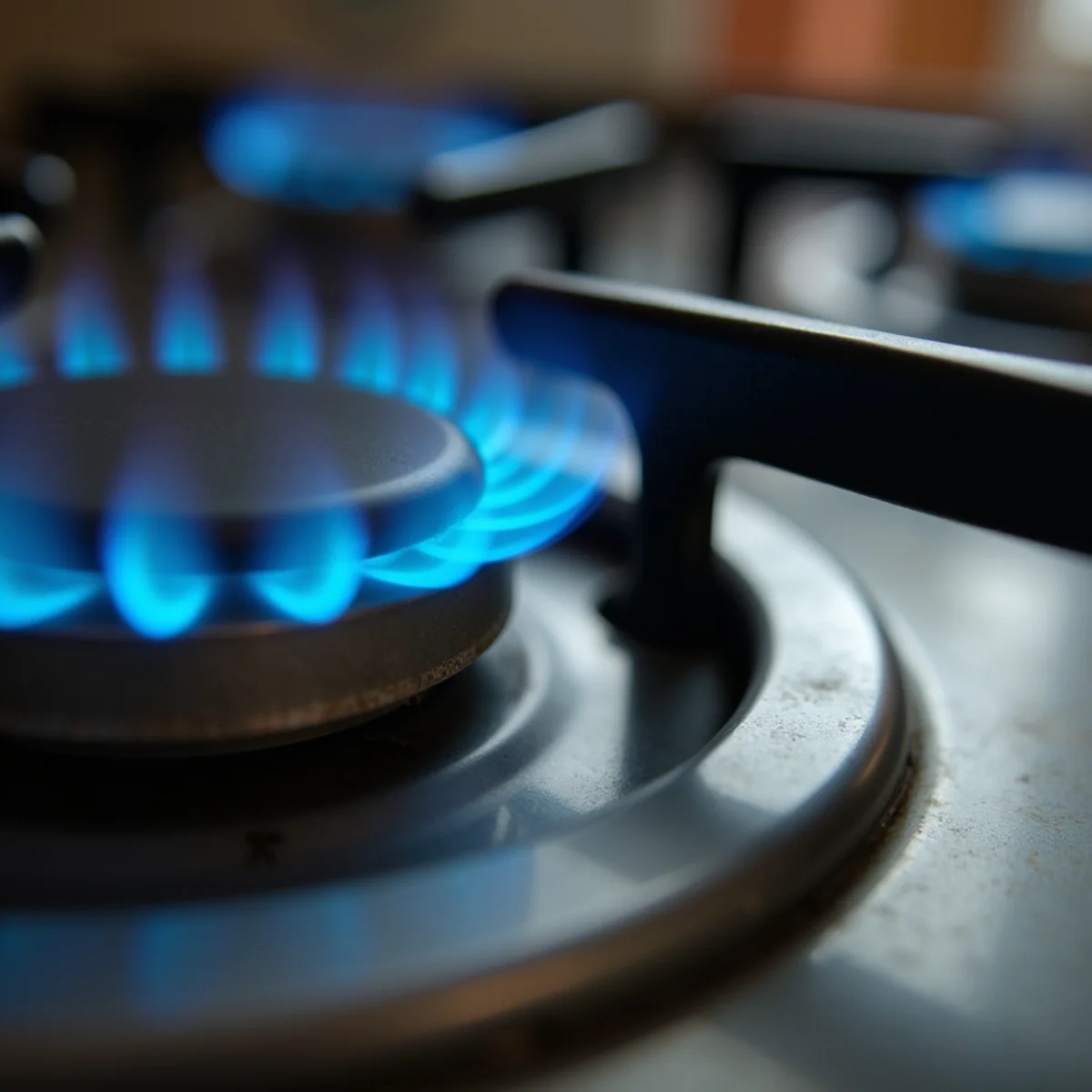
1. For Gas Water Heaters: Inspect the small sight glass window near the burner base. If the pilot flame is out, check the instructions on the tank jacket to attempt reignition. If the igniter clicks but the flame will not hold, a dirty flame sensor or failed thermocouple is the likely culprit.
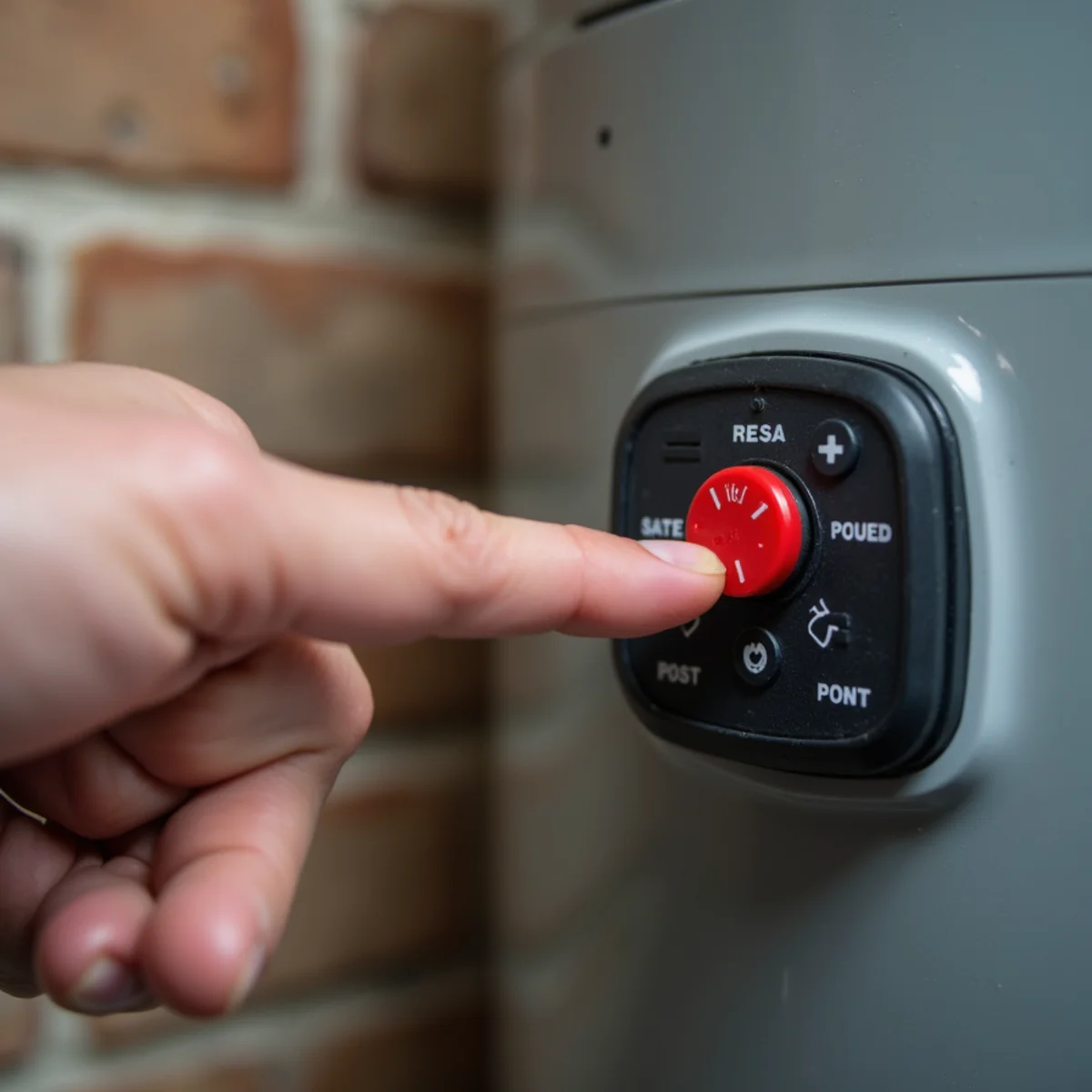
2. For Electric Water Heaters: If the breaker is on but water remains cold, press the red high-limit reset button located behind the upper access panel. If the unit trips repeatedly, one of the dual heating elements has shorted out from mineral sediment buildup.
Diagnosing Leaks: Where Is the Water Coming From?
Locating the precise origin of moisture determines your repair path:
• Top Fittings: Corroded dielectric nipples or loose flex supply lines can be tightened or replaced easily.
• Temperature & Pressure (T&P) Relief Valve: Located on the top or side with a discharge pipe. If leaking, excessive thermal expansion or a defective valve spring is releasing pressure.
• Drain Valve: The brass or plastic spigot at the bottom. Often weeps if mineral sediment prevents the washer from seating.
• Tank Bottom: Water seeping from beneath the outer metal casing indicates internal tank fracture, requiring immediate tank replacement.
Need Hands-On Emergency Assistance?
Speak directly with our local Duncanville dispatch desk at (858) 363-8298.
The Impact of Dallas County Hard Water on Tank Lifespan
Municipal tap water in Duncanville, Glenn Heights, and DeSoto carries moderate-to-high dissolved mineral content (between 120 and 160 parts per million of calcium carbonate). When cold water is heated to 125°F inside a tank, calcium precipitates out of solution and settles as a dense layer of mineral sediment at the bottom of the vessel.
Over 3 to 5 years, this sediment bed grows 2 to 4 inches deep. In gas water heaters, sediment traps heat against the bottom steel head, causing metal fatigue, overheating, and eventual tank rupture. In electric units, sediment buries the lower 4500-watt heating element, causing it to overheat and burn out in dry conditions. Annual tank flushing and sacrificial anode rod inspection are vital to extending tank life.
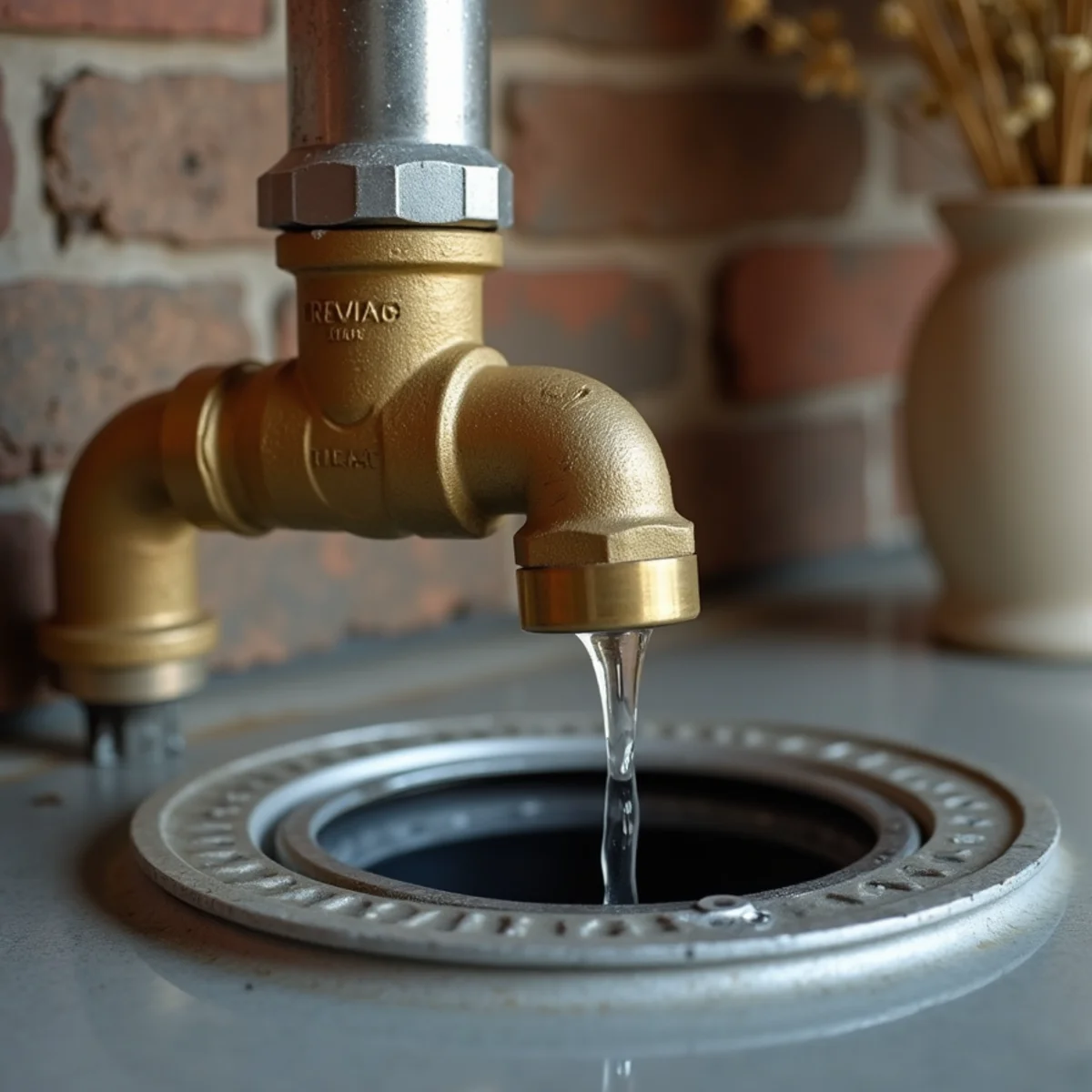
Water Heater Leak Diagnostics: Root Cause & Action Protocol
| Leak Location | Underlying Component Failure | Repair vs Replace | Emergency Severity |
|---|---|---|---|
| Top Cold/Hot Dielectric Nipples | Galvanic corrosion or dried Teflon pipe paste | Repairable (Replace flex lines & brass nipples) | Low (Bucket catch; schedule standard repair) |
| Temperature & Pressure (T&P) Valve | Excessive thermal expansion or weakened spring | Repairable (Install expansion tank or replace valve) | Medium (Scalding discharge risk; test valve) |
| Lower Drain Valve Spigot | Mineral sediment preventing rubber washer seal | Repairable (Flush tank; replace with full-port brass) | Low (Cap with garden hose brass plug) |
| Lower Tank Jacket / Base Seam | Internal glass lining cracked; steel tank corroded | Complete Unit Replacement Mandatory | Critical (Turn off cold inlet valve & gas/electric immediately) |
| Electric Element Gasket | Gasket dried out or element loose | Repairable (Drain down & replace element/gasket) | High (Electrical shock risk; shut 240V breaker) |
Why Thermal Expansion Tanks Are Mandatory on Closed Municipal Water Systems
When municipal water providers install modern digital meters with integrated check valves or backflow preventers, your residential plumbing system becomes a 'closed loop'. When a 50-gallon water heater warms cold 50°F water to 125°F, water physically expands by nearly half a gallon (thermal expansion). In an open system, this extra volume pushes back into the street main. In a closed loop, the expanded water has nowhere to go; internal pressure spikes from 60 PSI to over 150 PSI, causing the T&P relief valve to weep continuously and ballooning the water heater's inner steel shell. Installing a pre-pressurized thermal expansion tank absorbs this volume spike, protects your water heater warranty, and prevents premature tank ruptures.
Frequently Asked Questions
Practical answers from our local plumbing repair team.
Yes. Modern water heaters feature safety temperature and pressure relief valves, but an internal steel tank weakened by bottom rust under continuous 60+ PSI municipal pressure can suffer catastrophic seam failure, dumping 40 to 50 gallons of scalding water onto your garage or closet floor within seconds.
Related Services & Local Coverage
Explore our dedicated service options and neighboring dispatch areas:
Don't Let Plumbing Problems Escalate
Every plumber we send is licensed and insured in Texas. Upfront written price given before work starts.
Not Urgent? Send a Service Request
If your plumbing project can wait for scheduled daytime evaluation, submit your details below. We will coordinate with an independent licensed Texas plumber in Duncanville to confirm your appointment.
Do not wait for a form response if water is spreading or sewage is surfacing. For the fastest help, call immediately:
(858) 363-8298 (Answering 24/7)